Follow-up should not be the system
Some teams think they have a workflow when what they really have is a follow-up habit.
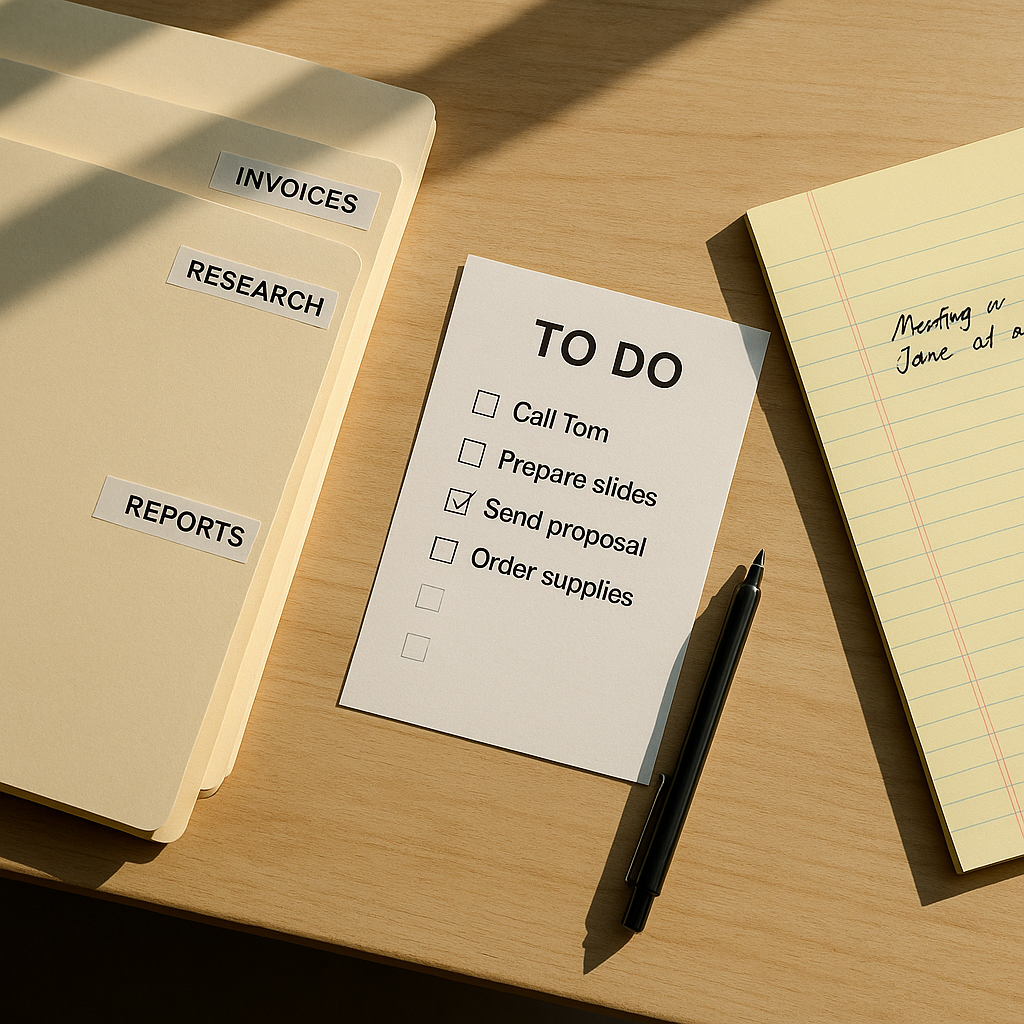
Work starts. A note gets written down somewhere. A handoff happens. Then the real mechanism kicks in: somebody pings the group, asks for an update, and reminds everyone what was supposed to happen.
That can work for a while, especially in a small team. But it does not scale well, and it burns attention fast. People start spending real time checking on work instead of moving the work itself.
The problem is not that follow-up exists. Good teams will always follow up when something matters. The problem is when follow-up becomes the thing holding the whole process together.
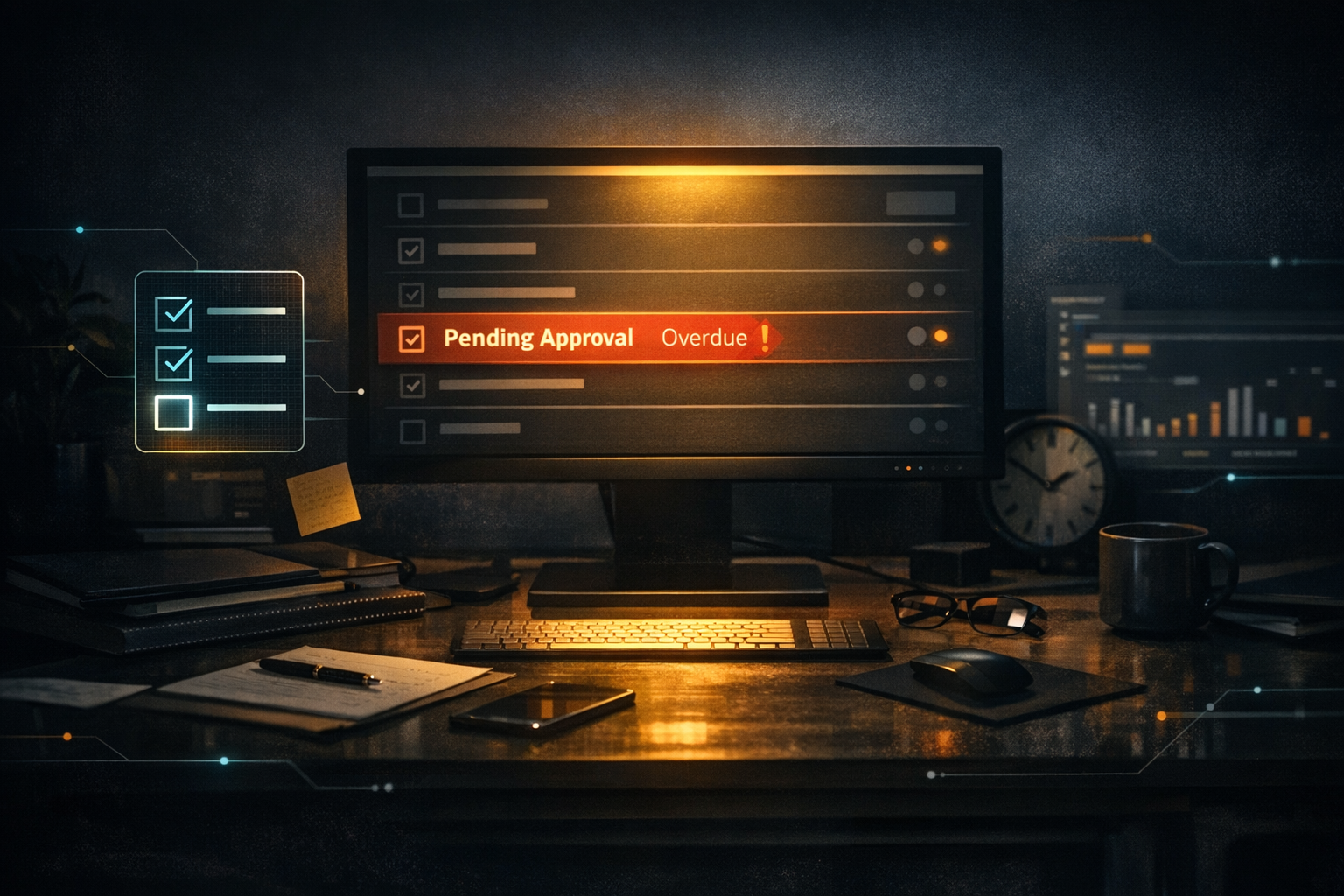
If a task only moves because someone asks about it again, the system is doing too little. It is not showing ownership clearly enough. It is not surfacing status early enough. It is not making exceptions visible soon enough.
Good workflows reduce the need for chasing. They make changes visible. They make stalled work obvious. They make the next move clear before another message has to be sent.
That does not remove human judgment. It just stops wasting it on preventable check-ins.
The goal is simple: people should spend less time asking where work stands and more time actually moving it forward.