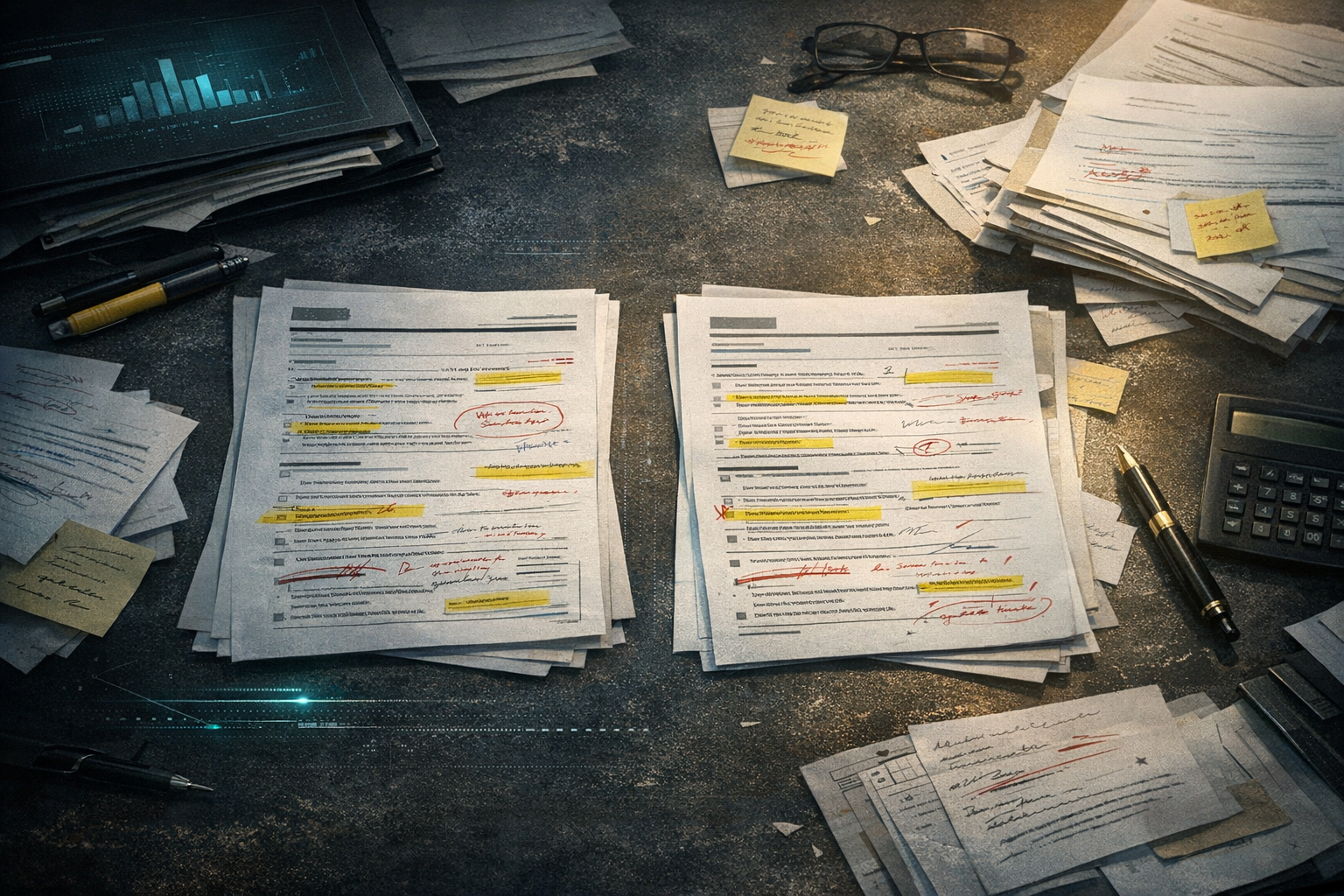
Rework should not be where clarity starts
Teams often talk about rework as if it is just part of getting things done. Some of it is unavoidable. Real work changes. Exceptions come up. New information shows up late.
But a lot of rework is not really about change. It is what happens when the first pass was too vague to carry the work forward cleanly. Someone reopens the task, rereads the notes, checks a side thread, asks a follow-up question, or re-enters information that should have already been clear.
That waste usually gets underestimated because it does not show up as one dramatic failure. It shows up as small repeated drag. Five minutes here. Ten minutes there. A second review. A second explanation. A second attempt to make sense of something that should have been understandable the first time.
When that pattern repeats, the issue is not that people are unwilling to do the work. The issue is that clarity is arriving too late. The second pass becomes the place where the task finally gets enough context, enough instruction, or enough decision logic to move.
Good operating systems try to solve that earlier. They make the rule visible. They attach the context to the task. They make the next step obvious. They reduce the amount of guessing a person has to do before acting.
Rework will never disappear completely, and it should not. Some second passes catch real problems. Some corrections are the right call. But if the redo is regularly where understanding begins, the system is burning time it did not need to burn.
Rework should be for real exceptions, not for basic clarity that should have been there from the start.