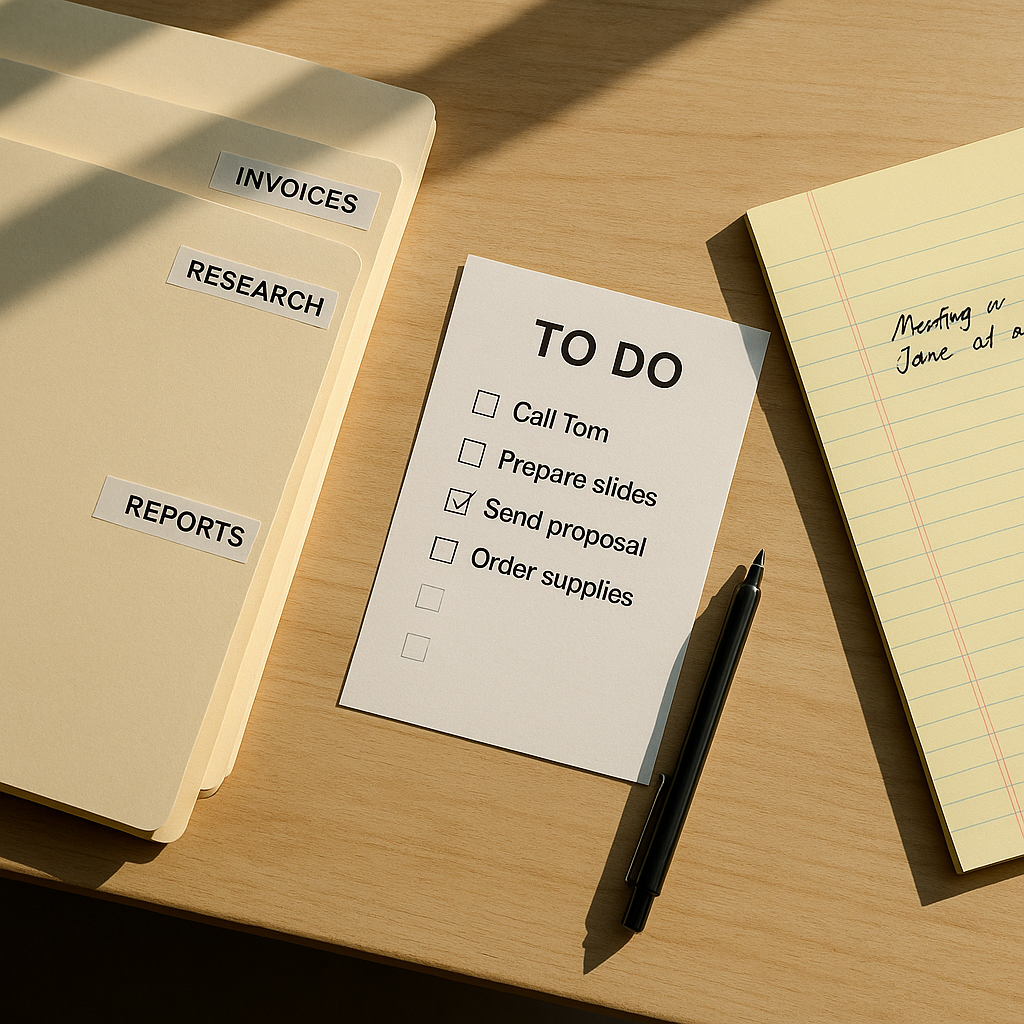
The next step should be clear
The next step should be clear
A surprising amount of work gets stuck for a very boring reason: nobody is fully sure what is supposed to happen next.
The task exists. The note exists. The conversation happened. Everyone leaves with a general sense that something should move forward, but the actual next action never gets pinned down. So the work just sits there.
That kind of slowdown is easy to misread. Teams often blame motivation, communication style, or lack of urgency. Sometimes the problem is much simpler than that. People are willing to move. They just do not have a clean handoff into the next step.
This shows up everywhere:
- A project update ends without a named owner for the follow-up
- A customer issue gets discussed, but nobody is assigned the next action
- A task changes status, but the system does not show what needs to happen now
- A teammate is waiting on input, but that dependency is buried in a comment thread
When the next move is fuzzy, work turns into checking, nudging, and decoding. People schedule meetings just to reconstruct what should already be visible. Managers follow up on work that should have progressed on its own. Small gaps in clarity turn into real drag.
Good systems reduce that drag.
They do not just store information. They make motion obvious. They answer basic questions without making people hunt for context:
- What is the next action?
- Who owns it?
- What is it waiting on?
- What changes when it is done?
That sounds simple because it is simple. But simple operating discipline compounds fast.
When the next step is visible, handoffs get cleaner. Follow-up gets lighter. Teams spend less time interpreting and more time moving. Work keeps going without a coordinator standing in the middle of every decision.
A lot of workflow design gets framed around dashboards, summaries, and status updates. Those matter, but they are not enough on their own. If a system can tell you that work exists but cannot tell you what happens next, it is still leaving people to do unnecessary translation.
The better standard is straightforward: if a reasonable person opens the workflow, they should be able to tell what happens next without calling a meeting.
That is where clarity starts to feel useful instead of performative.
It is also where systems begin to earn trust. Not because they look polished, but because they remove friction in the exact moment a team needs to keep moving.