Automation should slow down when the signal gets weak
Automation is usually judged by how fast it moves when everything looks clean. The harder test is what it does when the signal starts to weaken.
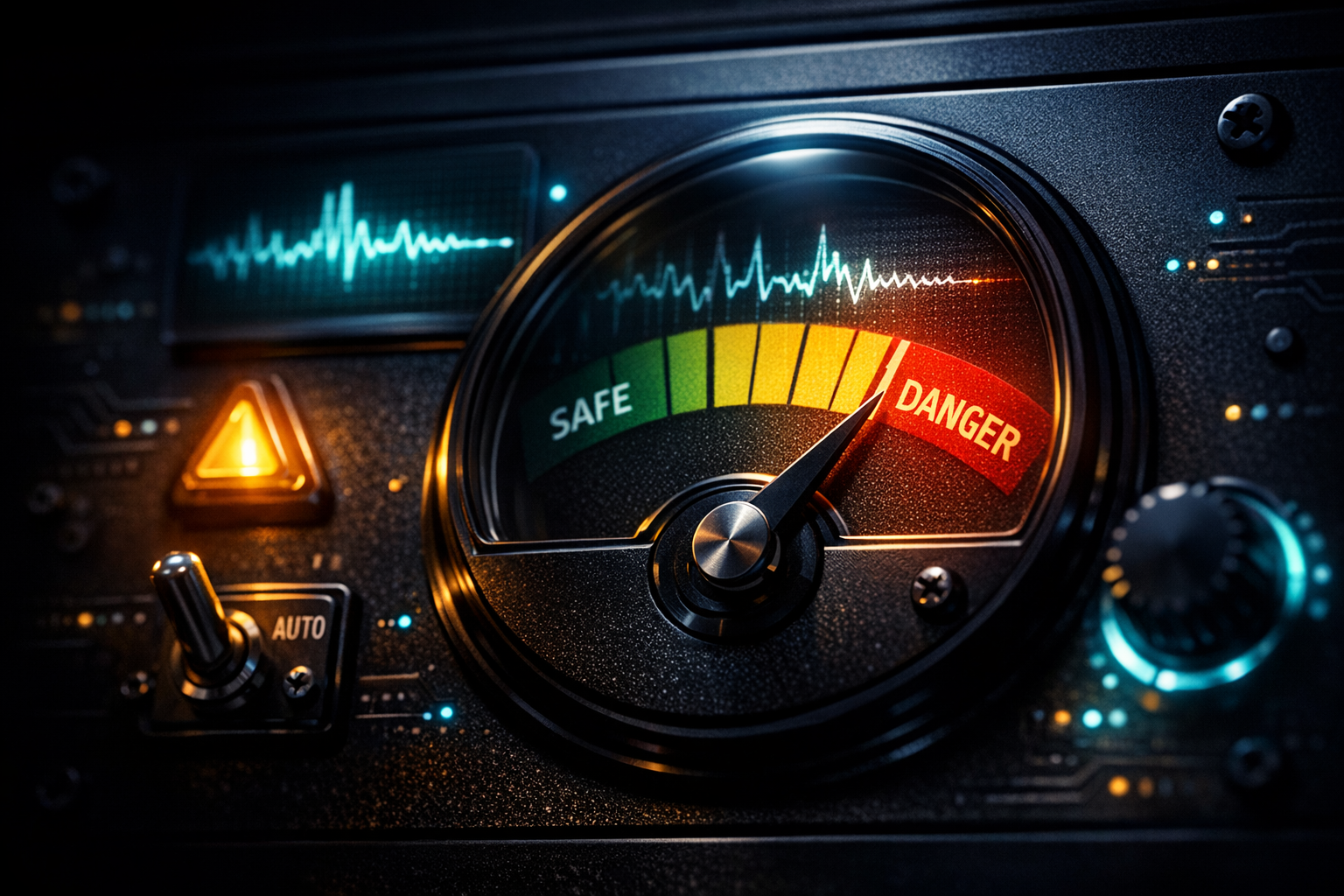
Maybe the inputs stop matching the pattern the workflow expects. Maybe a required field is missing. Maybe the confidence score drops. Maybe the exception rate starts climbing. However it shows up, the important part is the same: the system no longer has the same quality of information it had a few minutes earlier.
That is the point where speed can become expensive. If the workflow keeps moving at full pace, uncertainty gets pushed downstream and shows up later as cleanup, rework, or a decision someone has to unwind by hand. The problem is not just that the system made a mistake. It is that the system kept acting certain after the conditions stopped supporting that level of certainty.
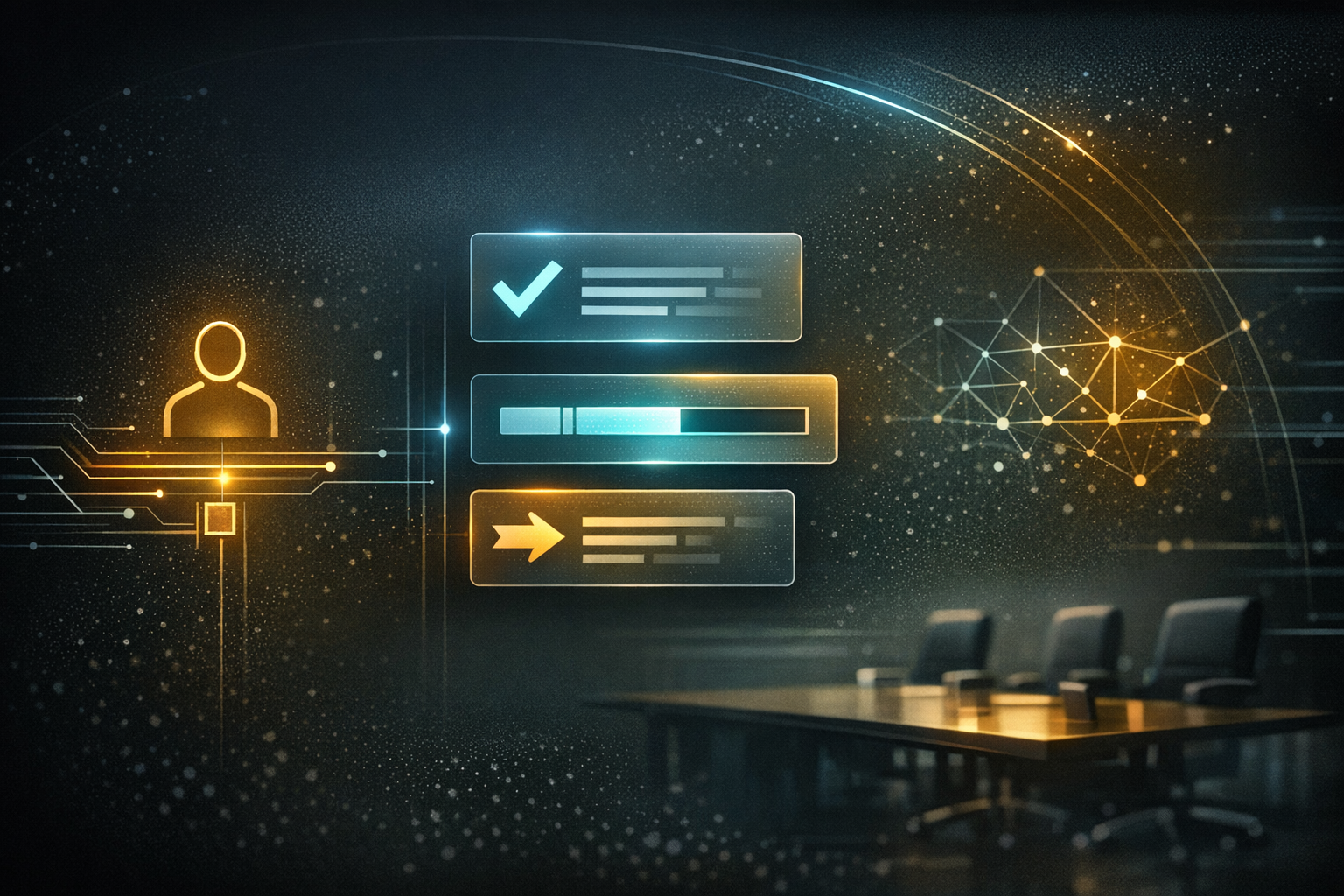
Good automation should respond differently. When the signal gets weak, it should ease off. Hold the exception. Ask for confirmation. Route the task to a person. Slow is better than wrong when the system no longer has a clean read on the state.
This is where disciplined autonomy matters. A useful system does not try to win every moment with speed. It knows when speed is still justified and when the better move is to stop pretending the pattern is clean.
Automation should slow down when the signal gets weak.