Autonomy should stop at the decision edge
Fast automation is not the hard part anymore. Plenty of systems can move routine work from one step to the next without much help.
The real question is what happens when the work reaches a boundary that actually matters. A refund changes money. A reassignment changes ownership. A customer answer can create a promise someone else now has to keep. Those are not the moments for a system to guess and keep going just because it can.
A lot of people talk about autonomy as if more is always better. It isn't. The useful version is disciplined. It knows the difference between a routine step and a real decision. It knows when the cost of being wrong stops being trivial. It knows when judgment matters more than speed.
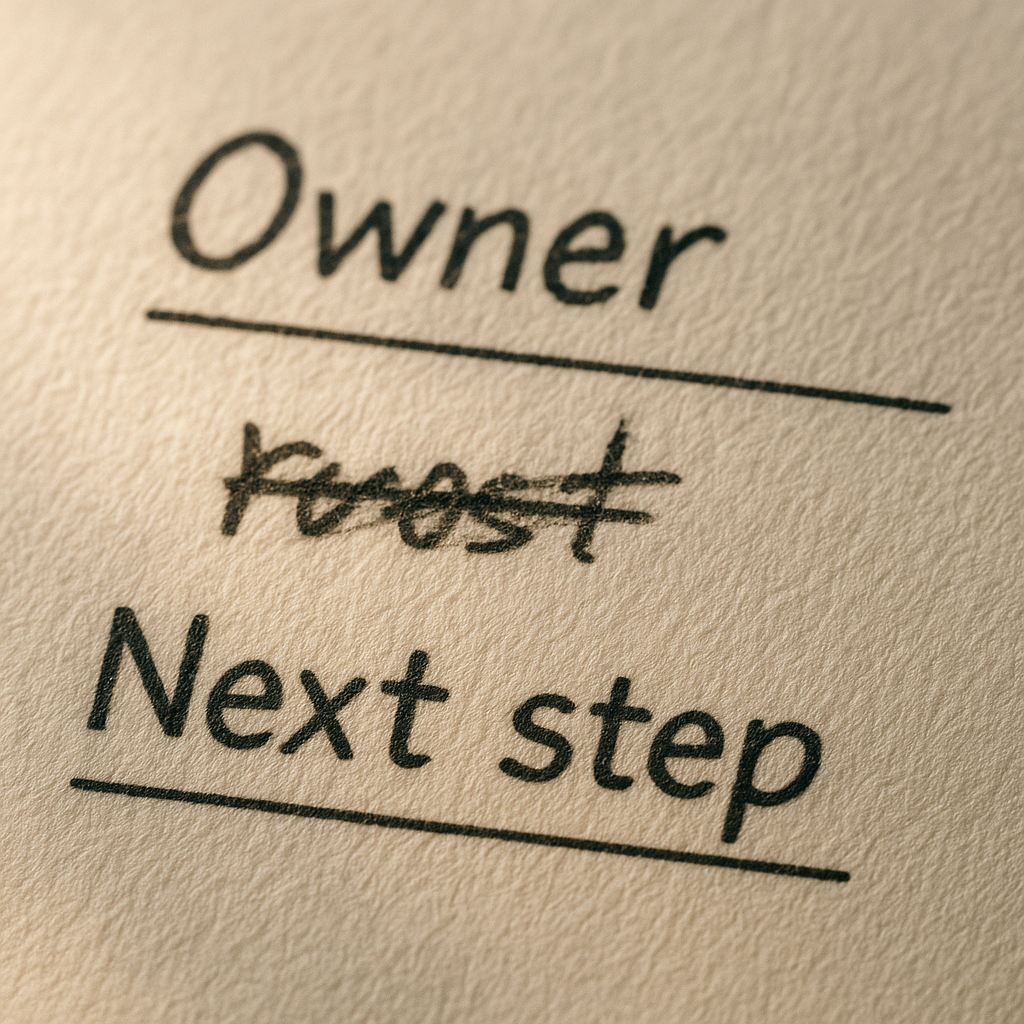
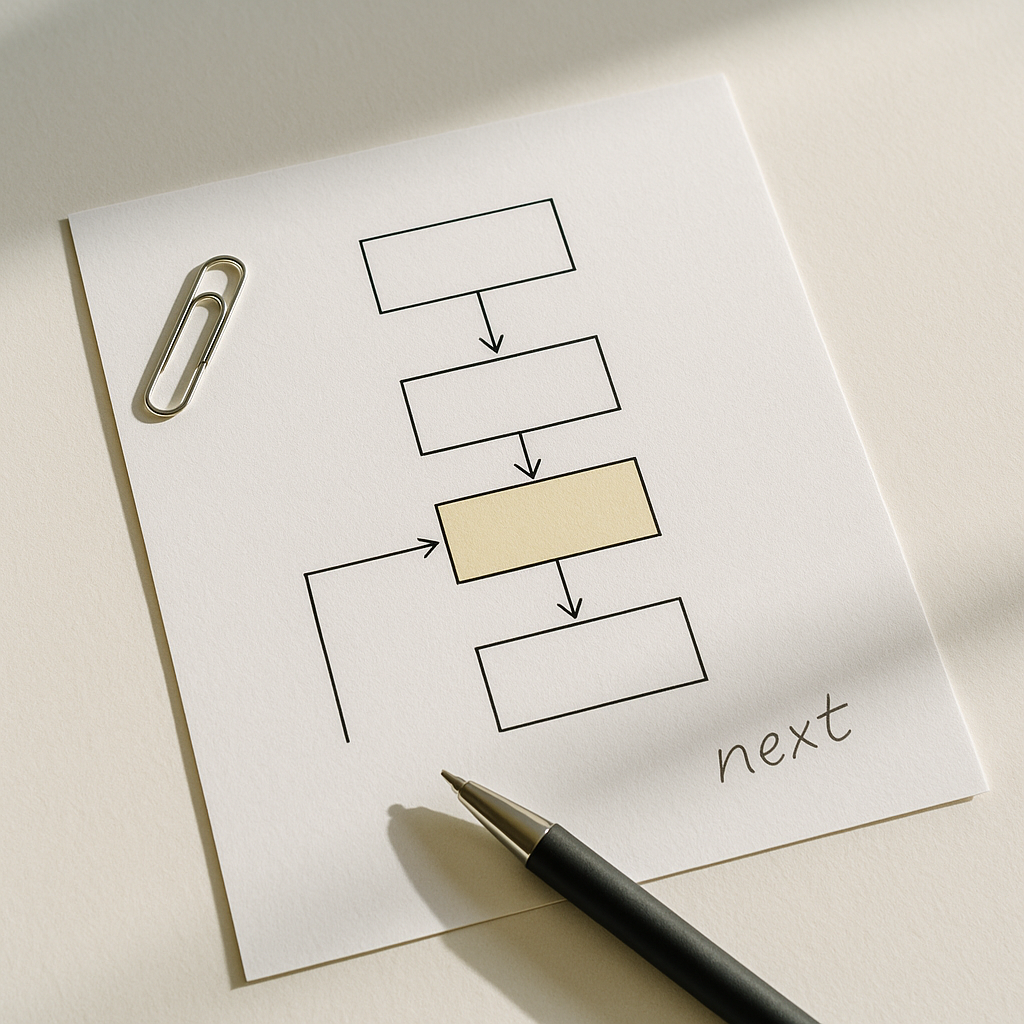
That is where good systems separate themselves from noisy demos. They do not ask for help after the mistake, after the wrong message, or after the wrong approval. They ask at the edge, while the decision is still cheap to inspect and easy to redirect.
This is what makes autonomy usable in real operations. You let the system carry the repetitive work. You keep the human involved at the points where consequences change shape. That is not a weakness in the system. It is part of the design.
The goal is not to remove people from every step. The goal is to remove people from the boring parts and pull them in exactly where judgment still matters.