If the update needs a meeting, the system is late
A lot of teams still use meetings to do a job the workflow should already be doing.
You get everyone on the call, and the first stretch is not about deciding anything. It is about catching up. What changed? What is blocked? Who is waiting? Did that request go through? Is the customer still expecting the same thing? The room spends its energy rebuilding context that should have been easy to see before anyone joined.
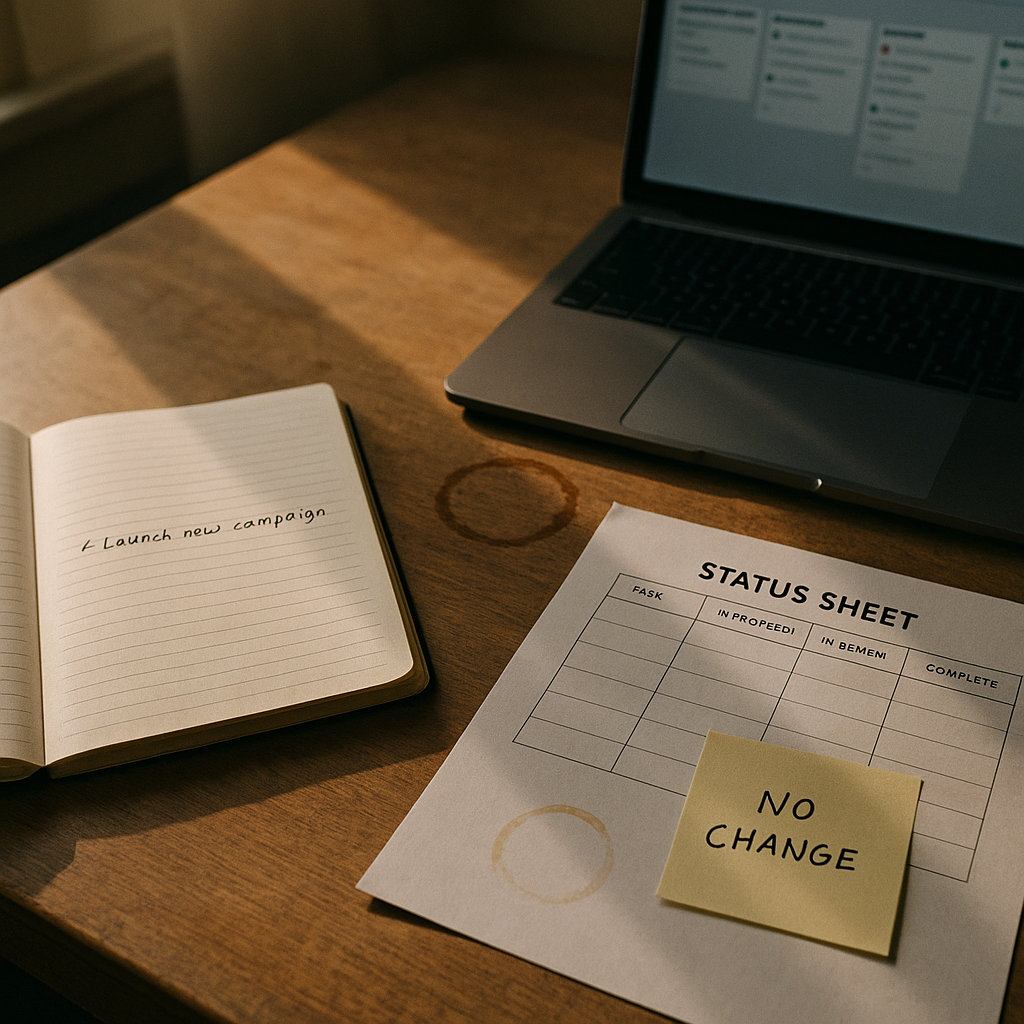
That usually means the system is carrying too little useful status with the work itself. The latest decision is buried in chat. The blocker lives in somebody's head. The owner changed, but only one person knows it. By the time the meeting starts, nobody is walking in with the same picture.
Good workflow design does not remove meetings completely. It makes them more valuable. If the current state is already visible, the meeting can focus on tradeoffs, judgment, and actual decisions. People can spend their time resolving something instead of piecing together the past.
This matters even more for fast teams and small teams. When time is tight, catch-up overhead gets expensive quickly. Ten minutes here and fifteen minutes there turns into a full day of avoidable drag over the course of a week.
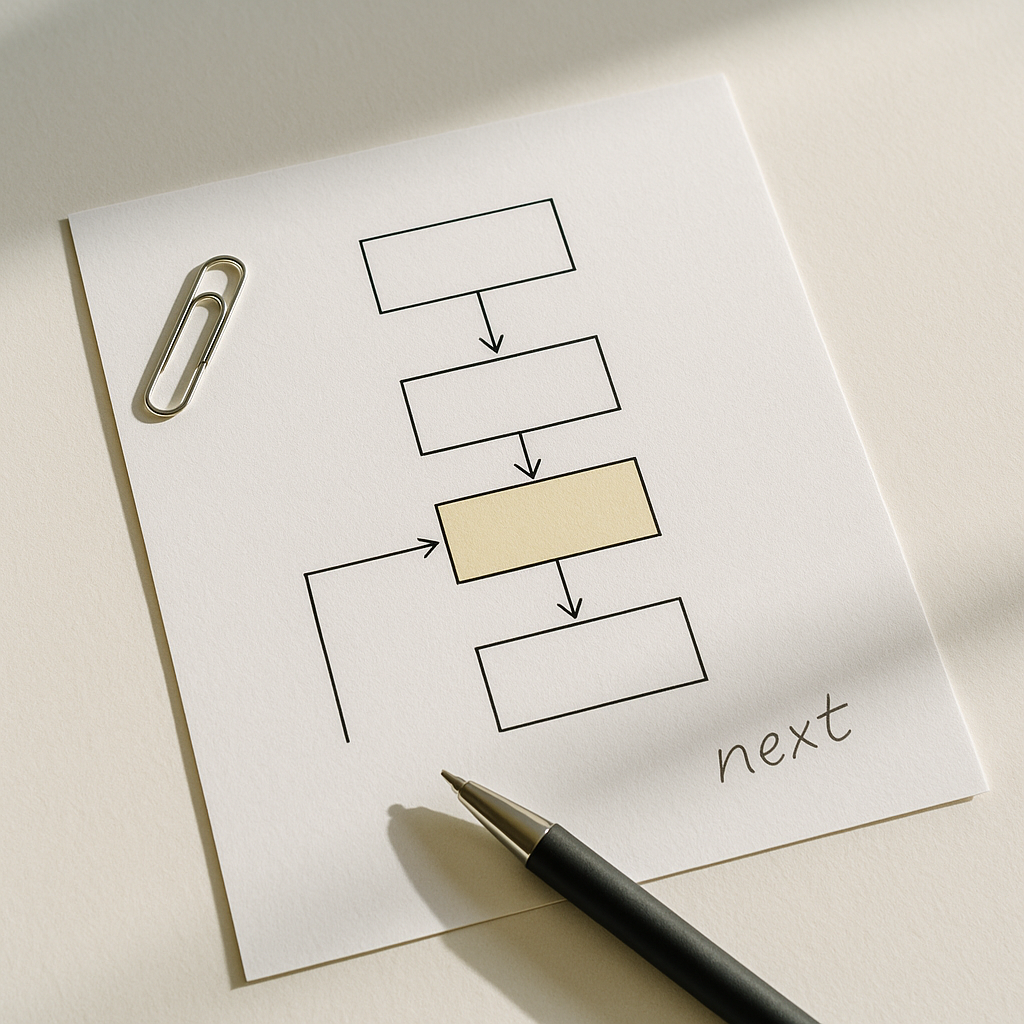
The fix is simple in principle, even if it takes discipline in practice. Put the update where the work lives. Keep the latest decision visible. Keep the blocker visible. Keep the next move visible. Then use meetings for the parts that really need a room.