People, process, product: where the work actually breaks
Most owners I talk to think they have a software problem. They need a new system, a better app, something with AI in it.
Usually what they have is a process problem, and the software has been hiding it.
Every business is three things
People are who does the work. Process is how the work moves from one person to the next. Product is what the customer gets at the end.
When something keeps breaking, it's rarely the people and rarely the product. It's the process in between: the handoffs. Look for the order that gets typed twice, the spreadsheet only one person understands, or the invoice rebuilt from memory at the end of the month. None of that shows up on a feature list, but it's where the hours go.
I spent 27 years running operations before I started building software, and the job was always the same: take something messy and make it run on time, every time. Software turned out to be a better tool for it. The thinking didn't change.
An example from this month
Right now I'm working with a team in the metals business. Their estimators price cut steel parts for manufacturers. A request comes in as a parts list and a stack of drawings, and turning it into a priced quote can take an estimator up to a full day.
When you sit with the people doing it, you see where that day goes. Drawings that arrive as PDFs get redrawn by hand before they can be priced. The pricing math, from plate weight to scrap to freight to margin, lives in each estimator's head. Everything downstream, from the order to the cutting floor to the invoice, waits on that one slow step.
Someone there had already tried pasting a drawing into a general AI chatbot. It guessed at the scrap and miscounted the parts. The AI wasn't the problem: it didn't know how their shop works, and nobody had shown it.
So the work starts with the process, not the tool. The software reads the drawings, lays the parts out on plate the way their shop does, and prices the job the way an estimator thinks it through. A person still checks and signs off. It's early, but the goal is a full day of quoting down to minutes, with the judgment staying where it belongs.
The industry is the part that changes
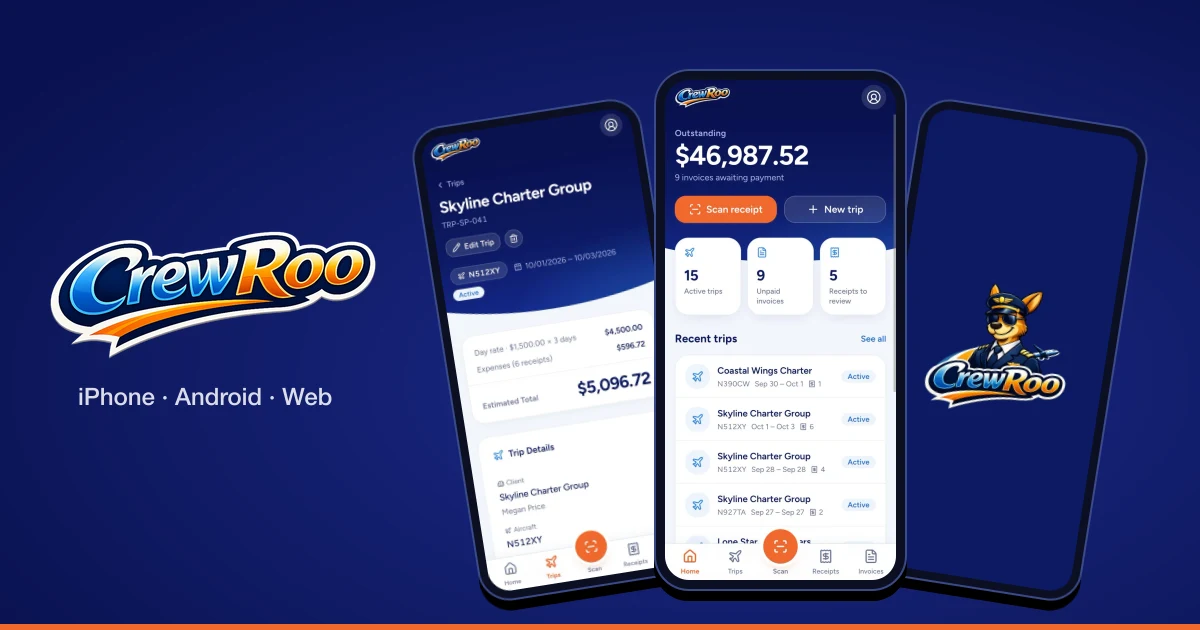
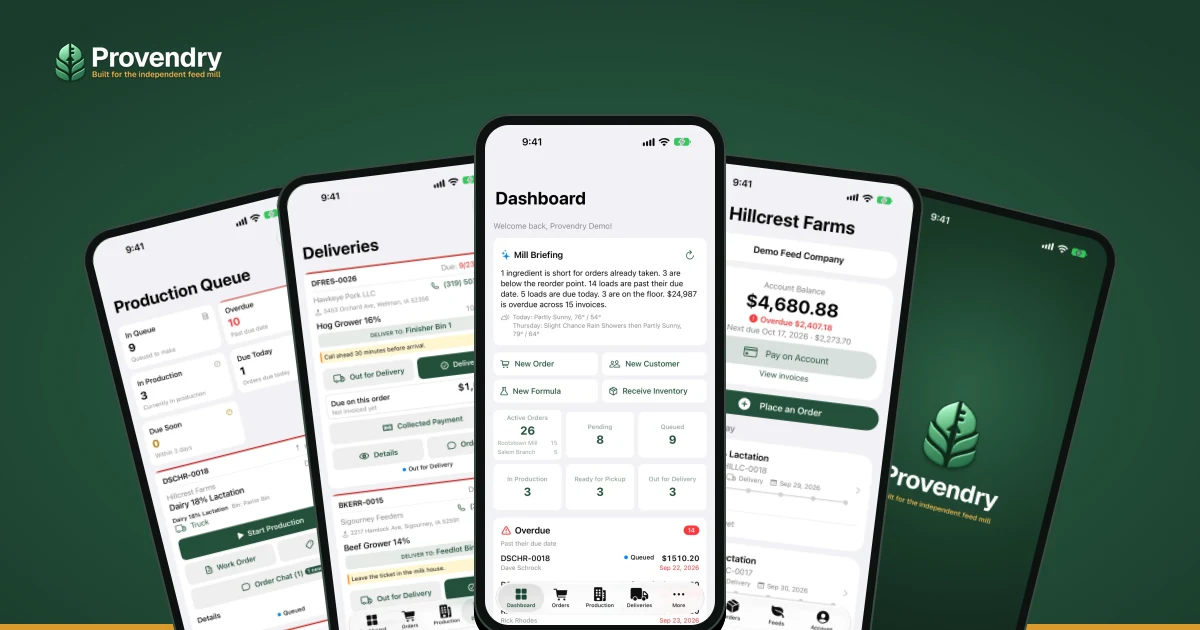
So far that's meant feed mills, contract flight crews, shift teams, an assisted living home, and now metals. Some of those became our own products, like Provendry for independent feed mills and CrewRoo for contract crews. Others are custom builds for one business.
You don't need to have spent 20 years in an industry to fix its process. You need to spend enough time inside it to see exactly where the work stops moving, then build what gets it from A to B.
Where AI actually fits
AI is very good at busywork: reading a receipt, pulling numbers off a drawing, drafting the email. It's bad at guessing the rules of your business. The setups that work give AI the busywork, give it your rules, and keep a person at the point where judgment matters.
Four questions to ask about your own business
Where does the same information get typed in twice?
What only works because one person remembers how to do it?
What job do you dread every month-end?
Where is a customer waiting on you, and why?
If one of those answers made you wince, that's where to start. It's usually not a new system. It's one handoff, fixed properly.
If you want help with it
We take on a few custom builds at a time, in any industry, alongside our own products. It starts with a 45-minute Discovery Call ($150, credited toward what comes next) or a Workflow Audit ($499), where we map how the work flows today and hand you a written plan with the top three fixes.
Point me at the thing that keeps breaking. Book a call.
Shawn