Work should not need an interpreter
Teams often think they have a workflow problem when they really have a readability problem.
The work moves, statuses change, and handoffs technically happen, but nobody can quite tell what the updates mean without checking with the same person. That person knows whether "waiting" means blocked, queued, or already done on another thread. They know which customer gets the exception path. They know whether a note is final or still in review. They know where the real next step lives, even when the visible system does not make it obvious.
Over time, that interpreter becomes part of the process.
This can look harmless because the team still gets results. In practice, it creates drag everywhere. New people need more help than they should. Experienced people get pulled into routine clarification. Side threads pile up because the official status is not readable on its own. The system appears to be working, but the meaning is still being carried by a human being instead of the workflow.
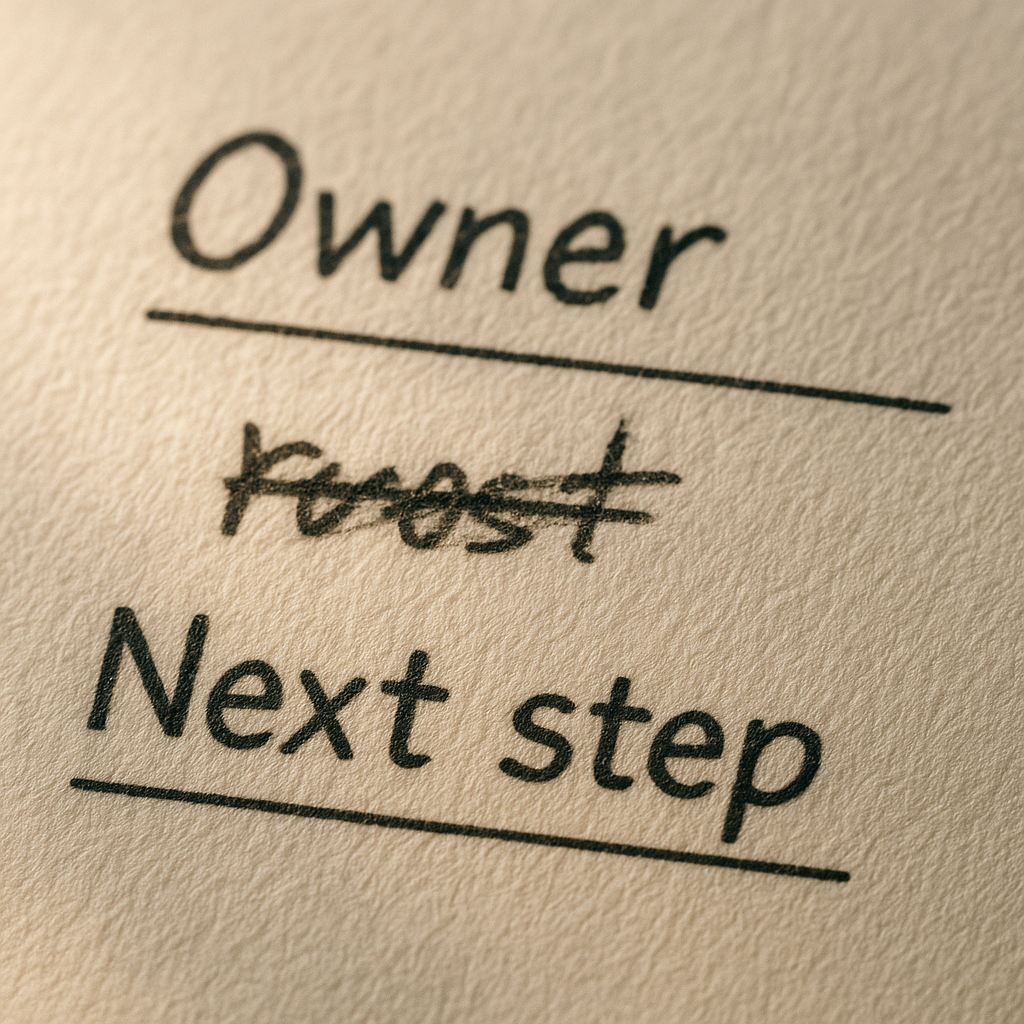
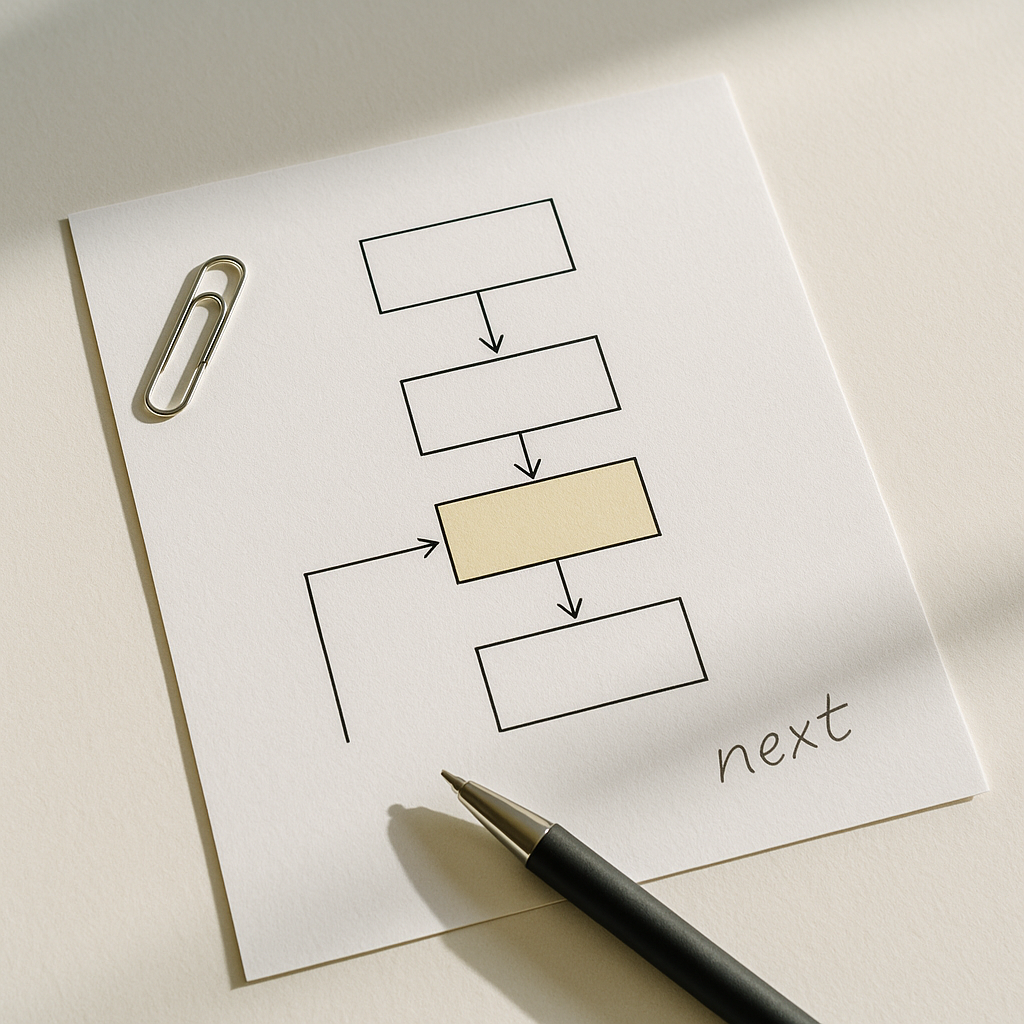
Good operations design makes work easier to read at the point of handoff. A clear status should tell people whether something is active, waiting, blocked, or complete. Ownership should be visible. Exceptions should be marked. The next decision should be attached to the task instead of hidden in memory or scattered messages.
If progress keeps depending on one person to translate the work for everyone else, that is not just a communication habit. It is a sign the workflow is still under-designed.
The goal is not to build a better interpreter. The goal is to make the work readable enough that one is no longer required.